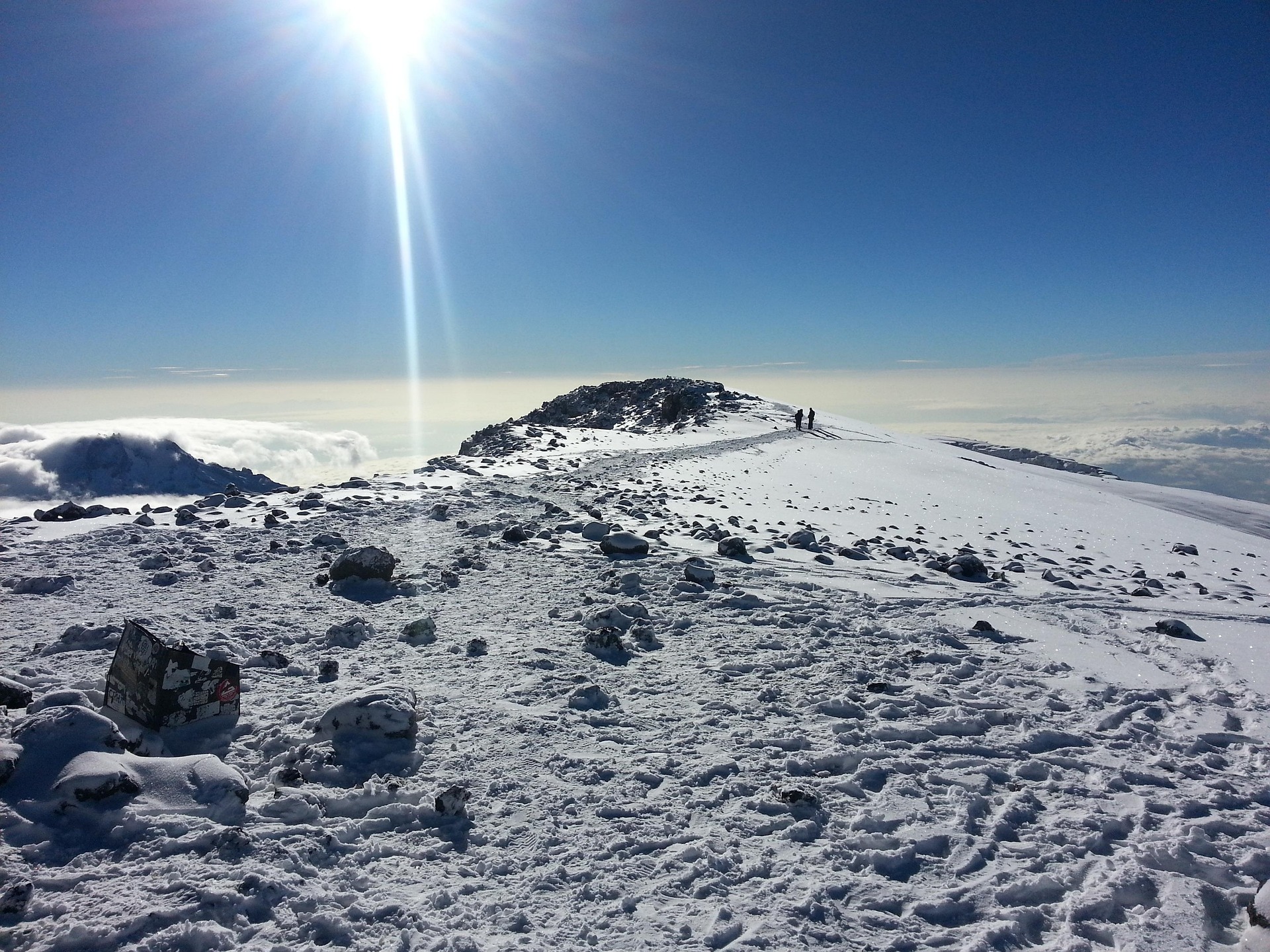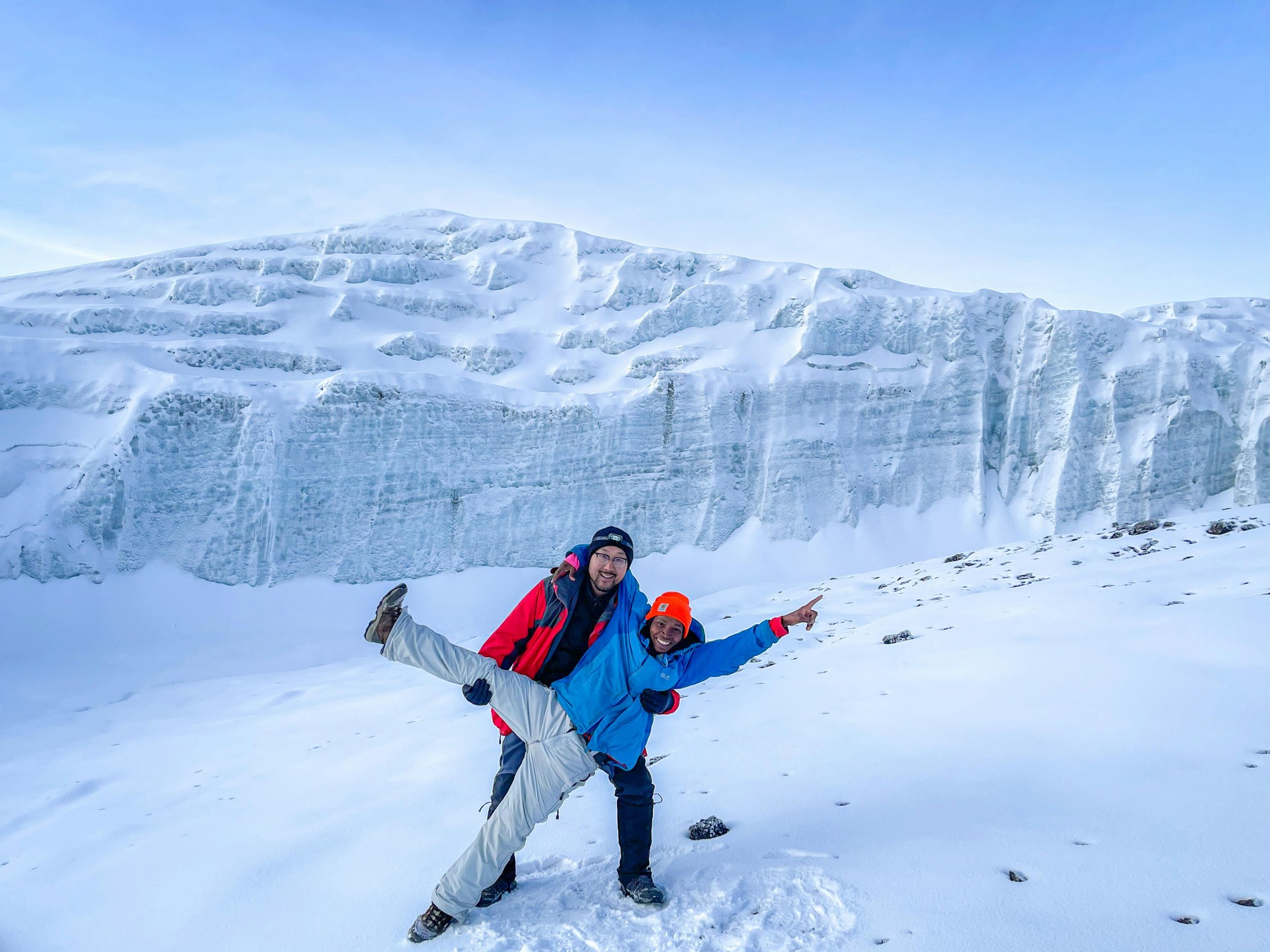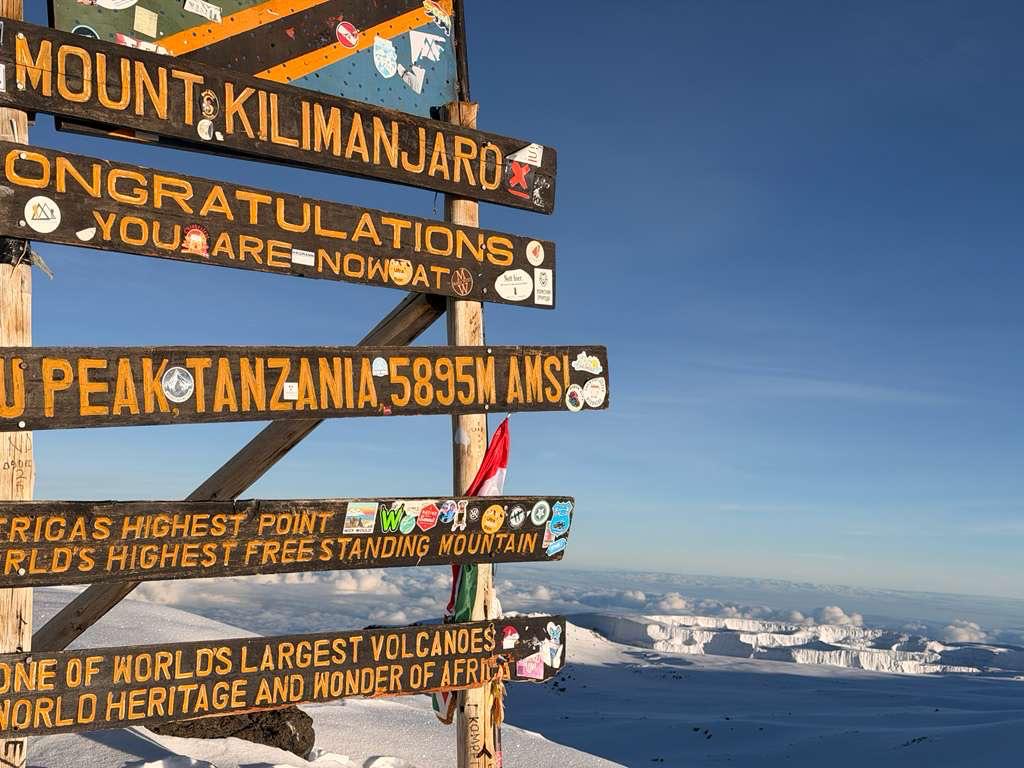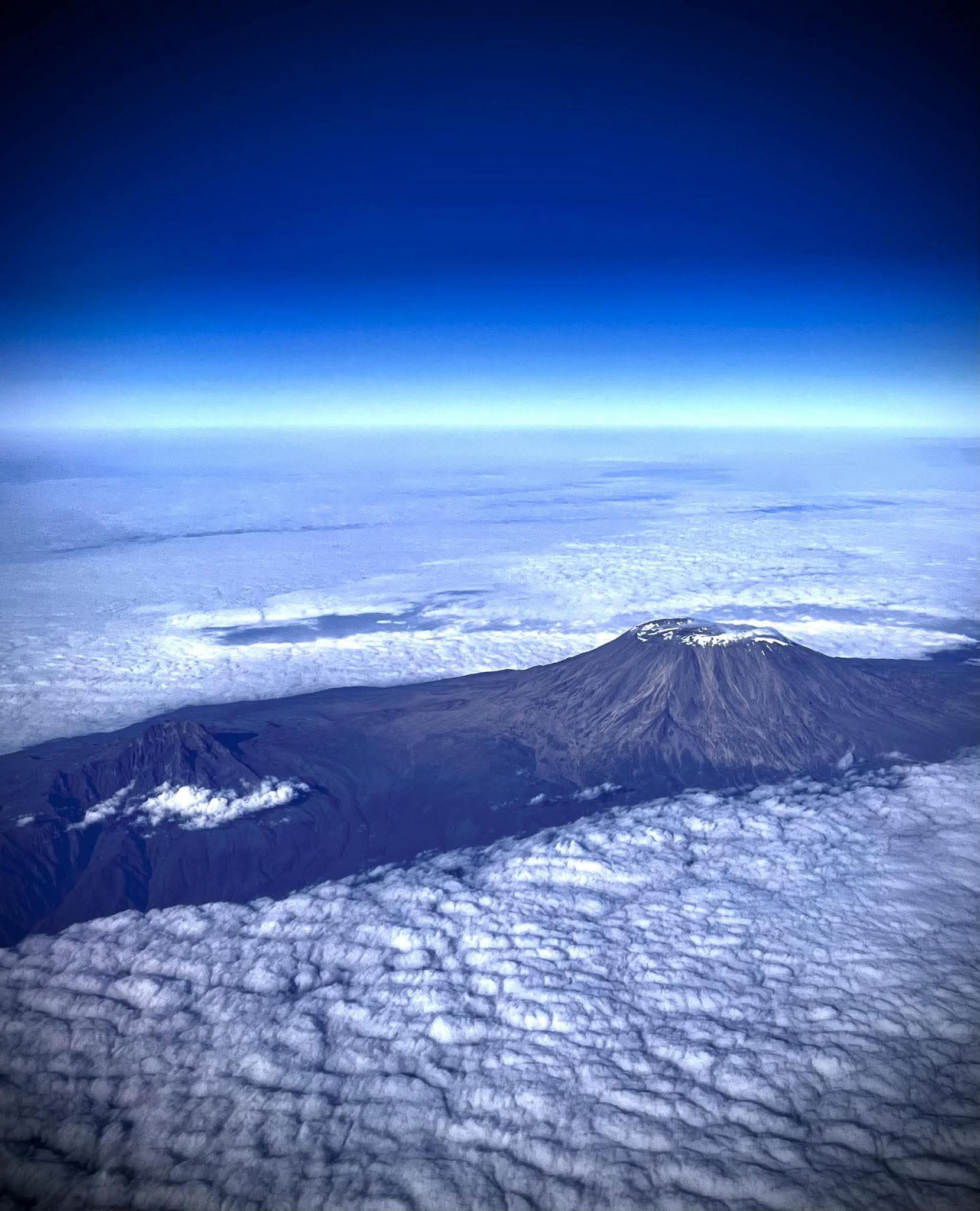
Standing proudly at 5,895 meters (19,341 feet) above sea level, Mount Kilimanjaro is the highest mountain in Africa and the world's tallest free-standing mountain. Located in northern Tanzania near the Kenya border, Kilimanjaro attracts thousands of adventurers every year seeking the challenge and achievement of reaching Uhuru Peak.
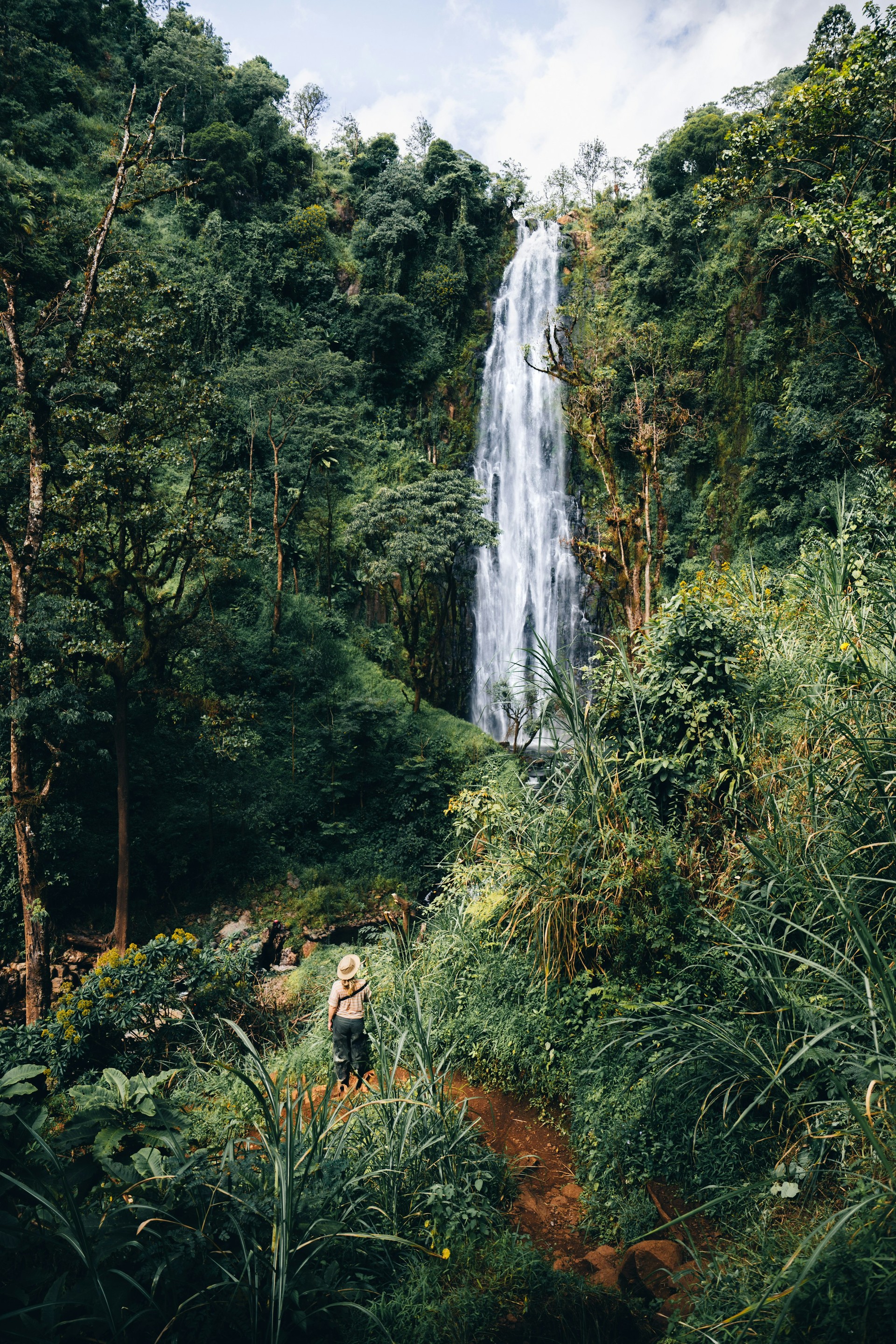
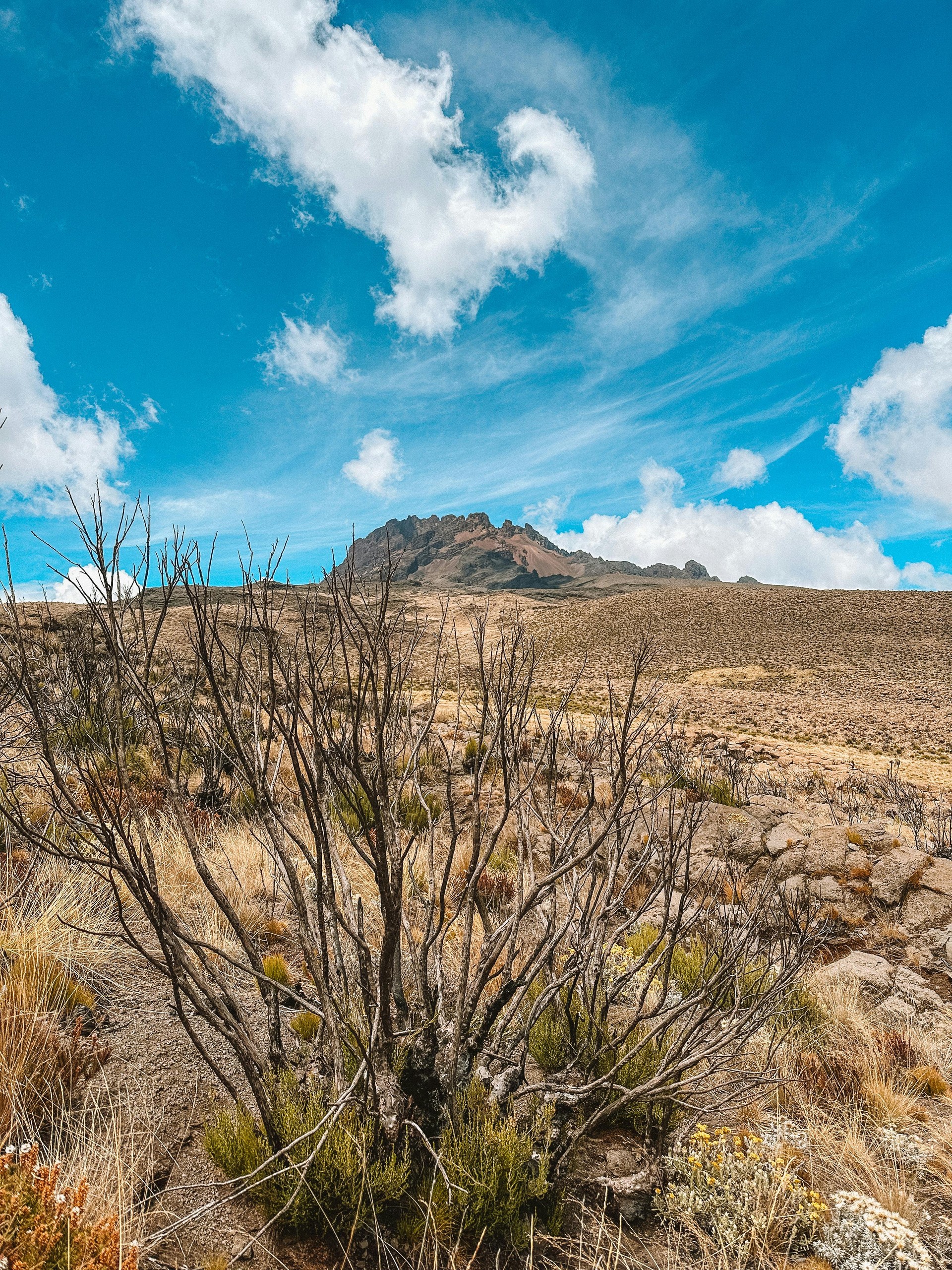
Unlike many of the world's highest mountains, Mount Kilimanjaro can be climbed without technical mountaineering skills, making it one of the most accessible Seven Summits. Climbers pass through five distinct climate zones, from lush rainforest to alpine desert and finally the Arctic summit zone.
At Kilimanjaro Local Trips, we specialize in safe, ethical, and successful Kilimanjaro climbs led by experienced local mountain guides who know every trail, campsite, and challenge of the mountain.
Climbing Mount Kilimanjaro is more than a trek—it's a life-changing adventure. The journey offers breathtaking landscapes, unique ecosystems, and an incredible sense of accomplishment upon reaching Africa's rooftop.
Mount Kilimanjaro is located in northeastern Tanzania within Kilimanjaro National Park, approximately 80 kilometers from Moshi Town and about 50 kilometers from Kilimanjaro International Airport.
The mountain is easily accessible and serves as a gateway to Tanzania's famous safari destinations, including Serengeti National Park, Ngorongoro Crater, and Tarangire National Park.
There are several routes to the summit, each offering different scenery, duration, and success rates.
The Lemosho Route is widely considered the most scenic route on Kilimanjaro. It offers excellent acclimatization and one of the highest summit success rates.
Duration: 7–8 Days
Success Rate: High
Known as the "Whiskey Route," Machame is one of the most popular routes due to its beautiful scenery and good acclimatization profile.
Duration: 6–7 Days
Success Rate: High
Often called the "Coca-Cola Route," Marangu is the only route with mountain huts instead of tents.
Duration: 5–6 Days
Success Rate: Moderate
Approaching from the northern side of the mountain, Rongai offers a quieter and drier trekking experience.
Duration: 6–7 Days
The longest route on Kilimanjaro with exceptional acclimatization opportunities and the highest summit success rate.
Duration: 8–9 Days
The most challenging route due to its steep ascent and limited acclimatization time.
Duration: 6–7 Days
Mount Kilimanjaro can be climbed year-round, but certain months provide better weather conditions.
These are rainy seasons and generally less favorable for climbing, although climbs are still possible.
Climbing Kilimanjaro is physically demanding but does not require technical climbing skills. The greatest challenge is altitude.
Most climbers who prepare adequately and choose longer routes have a strong chance of reaching the summit.
Key factors for success include:
Success rates vary depending on the chosen route and number of trekking days.
| Route | Approximate Success Rate |
|---|---|
| Northern Circuit | 95%+ |
| Lemosho 8 Days | 90–95% |
| Machame 7 Days | 85–90% |
| Rongai 7 Days | 80–90% |
| Marangu 5 Days | 50–70% |
| Umbwe Route | 60–75% |
Longer itineraries generally provide better acclimatization and higher summit success rates.
The cost of climbing Mount Kilimanjaro depends on route, group size, and service level.
Average prices include:
$1,500 – $2,000 per person
$2,000 – $3,500 per person
$3,500+ per person
Most packages include:
Essential gear includes:
A complete packing list will be provided upon booking.
Although Kilimanjaro is primarily known for trekking, wildlife can be seen in the lower rainforest zone, including:
As a local Tanzanian tour operator based in Moshi, we provide authentic, safe, and responsible Kilimanjaro adventures.
Our team has guided climbers from around the world to the summit of Africa's highest mountain, creating unforgettable experiences along the way.
Most climbers spend between 6 and 8 days on the mountain.
No. Kilimanjaro is a trekking mountain and does not require technical climbing skills.
The Lemosho Route and Northern Circuit Route are generally considered the best for scenery and acclimatization.
Uhuru Peak at 5,895 meters (19,341 feet).
Yes. With proper preparation and an experienced guide team, beginners successfully summit Kilimanjaro every year.
Mount Kilimanjaro is one of the world's greatest trekking destinations and a dream adventure for travelers seeking challenge, achievement, and spectacular natural beauty. Whether you choose the scenic Lemosho Route, the popular Machame Route, or the comfortable Marangu Route, Kilimanjaro Local Trips is ready to help you reach the Roof of Africa safely and successfully.
Contact Kilimanjaro Local Trips today to plan your Mount Kilimanjaro climb and take the first step toward standing on the highest point in Africa.